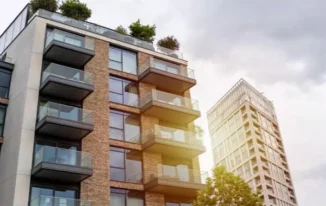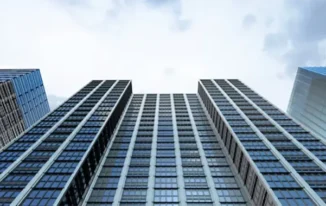

Contemporary urban dwellers are more demanding of new houses with the characteristics of comfort, utility, and sustainability. Urban housing is no longer merely about a place, but rather about how the spaces react to the routine of day-to-day life, family lives and well being of a person. The changes have been experienced in developments like Tengah Garden Residences and Promenade Peak, which are aimed at carefully designed layouts, space efficiency and settings that encourage privacy and community engagement. Such projects demonstrate how design-based housing may respond to evolving lifestyles and be functional and future efficient.
Sustainable Planning towards Healthier Environments.
Sustainability is one of the aspects of modern residential design. Green elements, energy savings systems and environmentally conscious design have helped to make living healthier and less damaging to the environment. Tengah Garden Residences emphasises that green spaces, natural air-conditioning, and intelligent resource conservation can be incorporated into normal human life in urban dwellings. These types of strategies are also the ones that make environments more comfortable, as well as make them more relaxed, to allow residents to lose the stress of urban life and still have access to modern amenities.
Residential Concepts that are Community-Centred.
In addition to single units, effective housing projects focus on common areas where socialisation and belongingness are promoted. Planned community spaces, walking-friendly community designs, and easily accessible facilities develop closer neighbourhood bonds. Promenade Peak proves that community-based planning and privacy are not mutually exclusive by providing social areas that are inviting but non-invasive to privacy. The balance enables the residents to interact with their environment on their own terms, which contributes to the social well-being as well as their comfort.
Furniture Layouts Made to function daily.
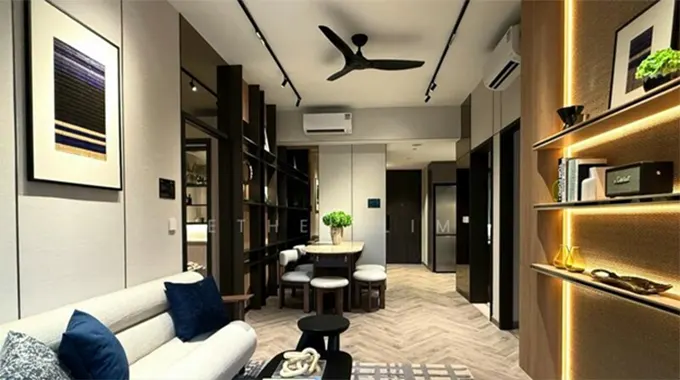
Interior design is also important in the aspect of making a dwelling habitable in the long term. The large areas, flexible rooms and effective storage systems enable people to customise their areas without losing the order. Both Tengah Garden Residences and Promenade Peak are shareholders of the same design philosophy, where usability is considered, and the living areas, kitchens, and bedrooms have their purpose and are not claustrophobic. These interiors accommodate various family requirements, including working people and family members.
Connection and Urban Convenience.
The issue of accessibility is also a central concern of urban housing design. The closer one is to transport, shopping areas and other important amenities, the less stressed one would be on a daily basis and enjoy better living standards. Promenade Peak does not disappoint the expectation in that respect, as it focuses on the continuity of connections in the urban terrain. With better connectivity of homes, residents have increased time and leeway in their routines, which supports the notion that functional housing is not limited to the walls of an apartment.
Long-Term Value by Good Planning.
Properly designed residential projects have both the chance of remaining topical and attractive in the long-term. Long-term value is ensured by the use of durable materials, flexible layouts and progressive infrastructure by both the residents and investors. Tengah Garden Residences demonstrates that the attention to detail in the planning process can follow the changing lifestyle trends without having to keep adapting. Long-lived designs of homes are comfortable and functional as the needs of residents evolve.
Conclusion
With the further expansion of the cities, the demand for housing providing comfort and functionality will rise. The progress of development, such as Tengah Garden Residences and Promenade Peak, is an indication of a greater shift towards human-focused urban development. This emphasis on sustainability, community and practical living spaces means that the projects shed some light as to how the housing of the future can help sustain the balanced urban living with regard to the expectations of the new inhabitants.