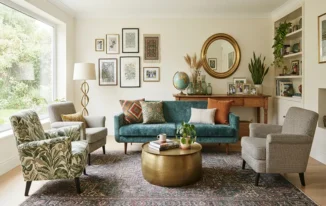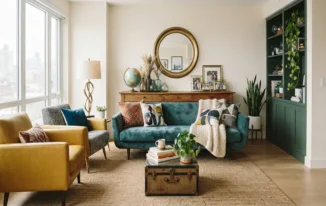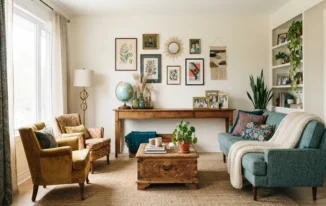

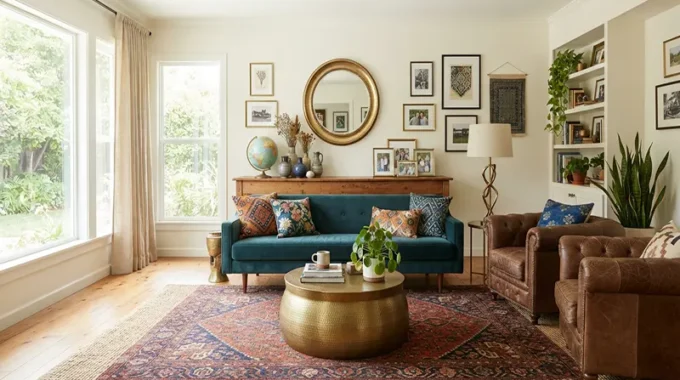
Eclectic design is the ultimate expression of personal storytelling. It allows you to weave together different eras, global cultures, textures, and memories into a space that is entirely unique. However, the thin line between a masterfully curated eclectic sanctuary and a stressful, chaotic room comes down to one thing: intentional editing.
When done poorly, mixing too many elements creates visual fatigue. When done right, eclectic decor feels harmonious, deeply personal, and effortlessly sophisticated. Mastering this style means turning diverse collections into a cohesive visual rhythm rather than a random accumulation of things.
1. Establishing a Visual Anchor (Neutral Foundations)
The secret to a successful eclectic room is giving the eye a place to rest. If every single surface, wall, and furniture piece is screaming for attention, the room instantly collapses into clutter.
- The Calm Envelope: Keep your architectural envelope—walls, ceilings, and large flooring surfaces—relatively neutral. Soft warm whites, muted greiges, or earthy plaster finishes act as a quiet gallery backdrop, making bold, disparate furnishings pop without competing.
- Solid Foundational Furniture: Anchor the room with large, clean-lined foundational pieces—such as a solid linen sofa, a classic wooden dining table, or a simple low-profile media console. Let these major pieces tie the room together before introducing wilder, multi-era accent chairs or vintage tables.
2. The Power of “Repeating Threads” (Color & Material Continuity)
Eclectic design relies on contrast, but cohesion comes from repetition. If you introduce a color, wood tone, or metal finish, you shouldn’t let it be a one-off island.
- The Rule of Three: If you have an antique brass floor lamp, echo that same brass finish through a picture frame on the wall and a decorative tray on the coffee table. Repeating elements at least three times tricks the brain into seeing order.
- Anchor Through Color Families: You can mix a mid-century modern velvet chair, a Moroccan rug, and industrial metal shelving as long as they share a unified color thread—such as recurring terracotta accents, deep forest greens, or warm amber tones.
3. Strategic Layering vs. Random Accumulation
There is a distinct difference between throwing everything you own into a room and masterfully layering textures and eras.
- Mix Textures, Not Just Eras: Balance sleek glass and polished metals with raw wood, rough jute, woven rattan, and plush velvet. Layering tactile surfaces adds incredible depth to a room without adding physical clutter.
- The Odd-Number Grouping Trick: When styling shelves, coffee tables, or mantels, group decorative objects in clusters of three or five. Vary the heights—pairing a tall sculptural vase with a medium-sized framed photo and a low stack of books—to create dynamic movement instead of a messy pile.
4. Embracing Negative Space and “Breathing Room”
Negative space is the invisible design tool that separates an art gallery from a storage unit. If a wall is entirely covered, or a bookshelf is crammed edge-to-edge, the individual pieces lose their impact.
- Leave Corners and Walls Bare: Allow certain corners of the room to stay completely empty. An untouched white wall or an unburdened stretch of floor gives the eye psychological relief and highlights the statement pieces nearby.
- Curate Tabletops: Keep coffee tables and nightstands partially clear. If a surface is cluttered with twenty small knick-knacks, swap them out for two or three high-impact items—like a heavy ceramic bowl, a sculptural candle, and a single design book.
5. Chic Storage Solutions for Collections
If you are an avid collector of vintage trinkets, globetrotting souvenirs, or art pieces, you don’t have to hide them away—you just need to house them cleanly.
- Enclosed Glass Cabinets: Store smaller, disparate collectibles inside a vintage glass-front bookcase or a sleek vitrine. This protects collections from dust while keeping them visually contained behind a single frame.
- Unified Display Boxes or Trays: Corral loose items like matchboxes, crystals, or vintage stamps inside matching leather trays or decorative boxes. It transforms a scattered mess into an intentional display.
The Eclectic Golden Rules
Mastering eclectic interior decoration is an ongoing art form. It requires balancing a love for diverse treasures with the discipline of architectural editing, resulting in a home that feels both wildly adventurous and deeply grounding.
3 Golden Rules for Polished Eclectic Styling:
- Edit Before Adding: Before bringing a new vintage or global find into the room, remove one item to maintain spatial balance.
- Anchor the Chaos: Always tie contrasting styles together using repeating colors, wood tones, or metal finishes.
- Respect Negative Space: Let your favorite statement pieces breathe by keeping surrounding walls and surfaces intentionally clean.
What specific eras or design styles (e.g., mid-century modern mixed with bohemian textiles, or industrial elements paired with vintage antiques) are you hoping to blend in your space?