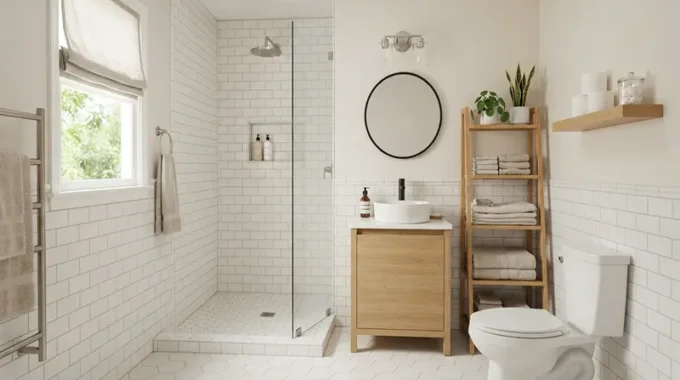
How to Estimate Average Home Bathroom Remodel Costs on a Budget

Embarking on a bathroom renovation can feel financially intimidating. Between unexpected plumbing surprises, material choices, and labor costs, it is easy for a straightforward update to spiral out of control. However, financial anxiety usually stems from ambiguity. Proper cost estimation is what separates a smooth, successful project from a budget-busting nightmare, allowing you to take complete control of your renovation journey.

1. Breaking Down the Costs: Where Does the Money Go?

Understanding how renovation expenses are distributed is the first step toward accurate budgeting. On average, a standard bathroom remodel lands around $16,500 nationally, but your specific spending will be split across several vital categories:

  • Labor vs. Materials: Professional labor typically accounts for 40% to 60% of your total budget. Plumbing and electrical work command higher hourly rates (often ranging from $50 to $200 per hour), while finishes and fixtures make up the remainder.
  • Core Systems: Plumbing lines, valves, and

How Families Can Evaluate a New Home Before Making a Decision

Deciding to move to a new home is a great one to make, but it also needs to be carefully planned. When making a purchase, families also may have different considerations than single buyers, as they want to purchase a home that is suitable for the entire family. The daily routine, plans, accessibility and environment are all important factors in the decision. By taking the time to consider these, buyers can make a choice to purchase something that will be appropriate for them for a long time.

This also helps to minimize the risk of making decisions on an ‘appearance’ basis. While a home that is well designed may look great, it needs to serve the functions that are required of its inhabitants.

Start With Your Family’s Priorities

Each family is unique, and the first step is to understand what is important to them. Certain households might require convenient access …

Sustainable Green Fashion Furniture Ideas for Eco-Friendly Homes

The concept of “fast fashion” has faced well-deserved scrutiny, but its counterpart—fast furniture—remains a silent contributor to global waste. Millions of flat-pack, petroleum-based, short-lived furniture pieces end up in landfills every year, releasing toxins and driving unnecessary deforestation.

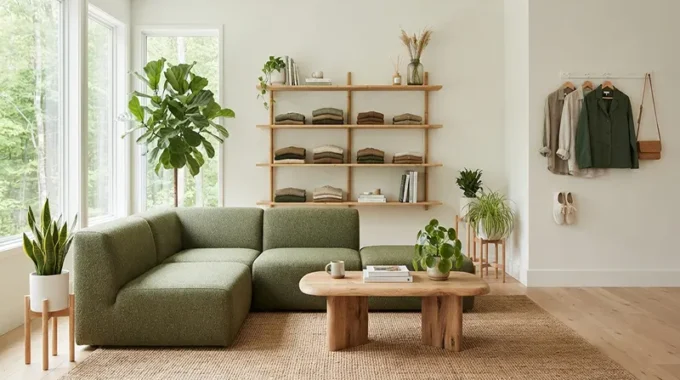
Fortunately, a major aesthetic and ethical shift is underway. Sustainable “green fashion” furniture is redefining eco-friendly homes, proving that environmental responsibility does not require sacrificing high-end style. By investing in reclaimed materials, renewable botanicals, non-toxic textiles, and circular design principles, you can create a home that is as healthy for the planet as it is stunning to look at.

1. Reclaimed and Upcycled Timber: Breathing New Life Into Old Wood

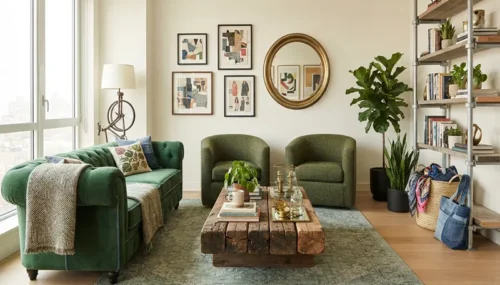
When it comes to sustainable furniture, skipping newly felled lumber in favor of reclaimed wood is one of the most powerful choices you can make.

  • Salvaged History: Reclaimed timber is sourced from old barns, abandoned warehouses, historic factories, and fallen