

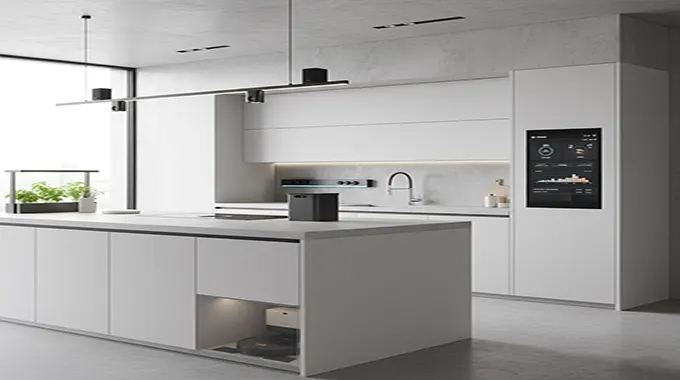
The modern kitchen has evolved far beyond a simple food preparation space; it is now the home’s primary hub for working, socializing, and entertaining. As technology becomes more intuitive, integrating these systems is crucial for efficiency. Moving beyond single, isolated gadgets to a fully connected ecosystem is the goal. This guide explains how to incorporate smart home technology into modern kitchens seamlessly, transforming them into high-functioning, intuitive spaces that simplify your daily routine.
Core Appliances: The Brains of the Kitchen
The foundation of any smart kitchen lies in its major appliances, which act as the central brains. The smart refrigerator, for example, is more than just a cooler. Models now feature internal cameras that allow you to check inventory remotely while grocery shopping, reducing waste. Their integrated digital hubs double as family command centers, displaying calendars, leaving notes, or streaming cooking tutorials right on the door panel.
Equally essential are smart ovens and ranges. These appliances can be preheated remotely using a smartphone app while you are commuting home, ensuring they are ready the moment you walk in. Furthermore, voice assistant integration allows for hands-free operations—a critical feature when your hands are covered in dough. Precision cooking technology and internal temperature probes guarantee perfectly cooked meals, emphasizing safety and efficiency in all culinary tasks.
Automation & Seamless Integration
True smart integration is achieved through non-appliance technology that enhances the flow of the room. A central Voice Assistant or Smart Display (like a Nest Hub or Echo Show) is indispensable, providing hands-free timers, unit conversions, and step-by-step recipe guidance without you ever needing to touch a cookbook.
Smart lighting adds both function and ambiance. Under-cabinet LED strips, controlled by voice or motion, provide task lighting where you need it most, while customizable brightness and color settings can shift the room’s mood instantly from a brightly lit prep station to a cozy dining environment. Additionally, installing a smart faucet with touchless activation not only improves hygiene but also conserves water by dispensing precise, pre-set measurements and automatically shutting off.
Design and Future-Proofing
A common challenge in a modern, sleek kitchen is ensuring the technology remains invisible. Successful integration means the tech is felt, not seen. Choose smart appliances that are sleekly designed or, better yet, opt for panel-ready models that can be disguised behind matching cabinetry. For charging and small device storage, look for integrated charging ports or motorized power strips built directly into kitchen islands or countertops.
By focusing on integrated systems and energy-efficient models, you future-proof your home. Learning how to incorporate smart home technology into modern kitchens is an investment in both convenience and long-term sustainability, ensuring your space remains stylishly ahead of the curve.
The modern, connected kitchen is a space that proactively works for you, managing tasks, simplifying meal preparation, and conserving energy. By strategically implementing smart appliances, utilizing automated controls, and prioritizing seamless design, you successfully transform a functional space into an intuitive, eco-friendly, and highly efficient hub—the true definition of a contemporary smart home.